Cheap Sodium-Sulfur Batteries: 4 Times More Capacities Versus Lithium-Ion Batteries

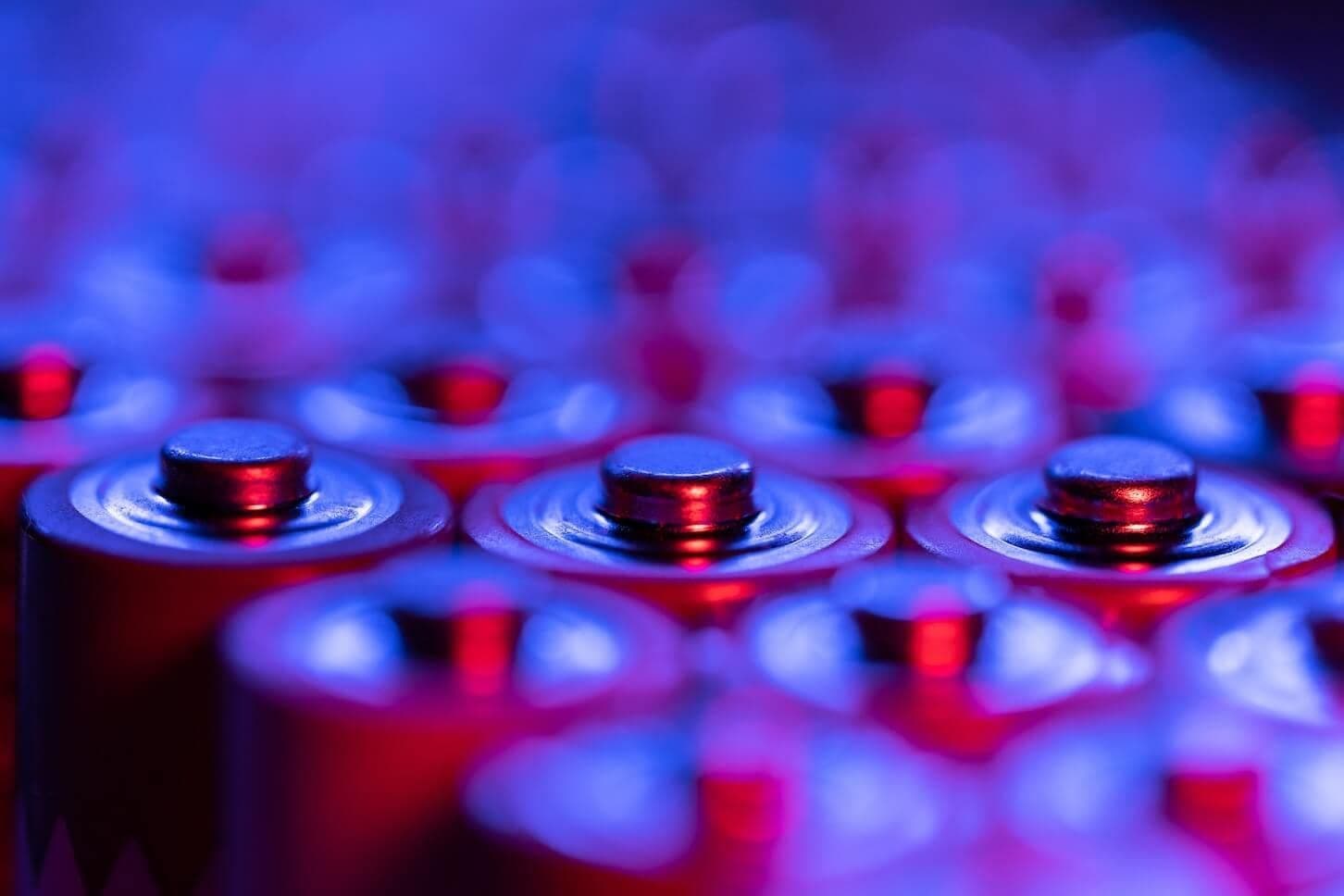
A global team of scientists researching next-generation energy storage solutions has found an eco-friendly and low-cost battery with exciting potential. The team's new sodium-sulfur battery design shows a four-fold increase in energy capacity when compared to a typical lithium-ion battery. This is a promising technology for storage.
The batteries the team created fall into a category of batteries known as molten salt batteries, which have been around in various forms for about fifty years. As the emphasis on renewable energy grows, scientists are optimistic about the storage potential of molten salt batteries due to their relative affordability and dependence on widely available components.
This could theoretically enable batteries to be built on the larger scales needed to store large amounts of renewable energy. Typical versions are based on sodium-sulfur chemistry. It keeps its electrodes at high temperatures to keep the electrolyte in a liquid molten state. Scientists in China and Australia have teamed up to develop their own versions and say that sodium-sulfur batteries offer greatly improved performance at room temperature.
When the sun is not shining and the wind is not blowing, the world needs high-quality storage solutions that do not cost the earth and are easily accessible at a local or regional level. It is with batteries like these that we can achieve the goal of clean energy sooner by providing a technology that reduces costs.
Scientists have discovered that sodium batteries offer four times the storage capacity and have the potential to significantly reduce costs. This reduces costs in the long run. On the other hand, it encourages the development of renewable energy, which has various financial barriers.
Having put the technology in coin-sized batteries through various tests, the researchers are now working on battery versions of different sizes while looking for a path to commercial use.
As Efta Energy, we offer sustainable, eco-friendly and clean energy solutions. Our main focus is solar energy. We also produce solutions for agricultural facilities, industrial facilities, commercial buildings and even detached houses. Increasing energy costs and environmental problems are our common concern. We install solar energy systems in accordance with the regulations. We provide support for energy efficiency and saving measures. We continue your work in the best way to make access to renewable energy technologies easier and to overcome the challenges in the sector.
Cheap Sodium-Sulfur Batteries Have More Capacity
Researchers say a new, low-cost battery that has four times the energy capacity of lithium-ion batteries and is much cheaper to produce would significantly reduce the cost of transitioning to a decarbonized economy.
Although sodium-sulfur-based batteries have been available for more than half a century, they have been an inferior alternative and their widespread use has been limited by low energy capacity and short life cycles.
The researchers say the Na-S battery is a more energy-intensive and less toxic alternative to lithium-ion batteries, which are widely used in electronic devices and energy storage but are expensive to produce and recycle.
We create effective strategies to overcome the difficulties encountered during the realization of solar energy projects. Many factors such as bureaucracy, regulation changes, product supply problems affect the progress of projects. Developments such as the inability to install facilities or delays can negatively affect investment decisions. It also leads to missed potential revenue opportunities. If projects fail, companies may experience an increase in energy costs and may not be able to reach their desired targets.
In order to overcome such challenges, we take procedures into account at the project design stage and encourage the acceleration of processes. We provide consultancy services by providing expertise on compliance with regulations. We reduce costs by optimizing product procurement processes. We find the most effective solutions by closely monitoring technological developments. In addition, we support the cost analysis and financing of projects with financial consultancy. With these detailed approaches, we help our customers successfully realize their energy projects. We effectively overcome the challenges in the sector.
What is a Sodium-Sulfur Battery?
Sodium sulfur battery, molten salt battery consisting of liquid sodium and sulfur. Sodium sulfur batteries have recently emerged as one of the most suitable long-life battery system technologies. At the same time, the need for a continuous and reliable power supply makes this type of battery a suitable choice for stationary energy storage due to its increased safety, environmental friendliness, large capacity and long life.
The sodium sulfur battery, an energy storage system based on electrochemical charge/discharge reactions between the positive electrode and the negative electrode, has recently attracted a lot of attention. The cathode is generally made of molten sulfur, while the anode is made of molten sodium. However, the electrodes are separated by a solid ceramic that also acts as an electrolyte, allowing only positively charged ions to pass through. Independent heaters are an integral part of the battery system. Because in a sodium sulfur battery, the battery temperature is kept at an average of 300-350 degrees Celsius to allow the reactions to proceed and the electrodes to be kept in a molten state.
Managing energy projects presents challenges and opportunities at the same time. Failure of projects can lead to problems such as investment decisions being canceled or delayed. This can lead to missed potential revenue and growth opportunities and loss of government incentives and subsidies. At the same time, failed investments in energy efficiency and renewable energy projects can lead to higher energy costs, lower competitiveness and reduced market share for companies and households.
Failed projects mean a failure to reduce the environmental footprint and achieve sustainability goals. Firms may face risks such as reduced brand value, loss of reputation and a diminished customer and investment base. Failure to achieve energy independence and security of energy supply means greater exposure to energy price fluctuations and external options. In addition, slowing innovation in the sector undermines technology development and leads to reduced R&D investments. Failed projects harm economic growth by reducing employment opportunities.
On the other hand, Efta Energy's successful energy projects result in significant savings and increased profitability for companies and households. Effective energy use and low energy costs provide companies with a competitive advantage, increasing their market share and new business opportunities. Successful projects raise environmental awareness. They play an important role in achieving sustainability goals.
Companies that invest in energy projects increase their reputation, enhance their brand value and expand their customer and investment base. Through renewable energy projects, it becomes possible to achieve energy independence and ensure the security of energy supply. This makes it less vulnerable to fluctuations in energy prices and external shocks.
Successful projects encourage innovation in the sector, contribute to technology development and support the development of energy efficiency and renewable energy technologies. They also contribute to economic growth by increasing employment opportunities.
Evolution of Sodium Based Battery Technology
Sodium sulfur batteries are said to have been first developed by the Ford Motor Company in the 1960s. Later, the Japanese company NGK used the technology to produce battery systems for stationary applications. NGK's NAS battery is a storage system with superior qualities such as high energy density, large capacity and long service life.
In addition, BASF Stationary Energy GmbH supplies containerized NAS batteries that can be easily transported and practically installed at customers' sites. Sodium-based battery models are said to be a viable alternative to lithium-based battery models. The search for new solid electrolytes focuses on meeting four key needs. These are mechanical stability, chemical stability, low cost and easy production.
As Efta Energy, we focus on environmentally friendly energy sources, especially solar energy. We offer our customers sustainable, budget-friendly energy solutions. Since solar energy does not harm the nature compared to fossil fuels, we support our customers to mitigate their environmental impact. Thus, our customers can reduce their energy costs and have a more sustainable energy source. Investments in solar energy also offer advantages such as not being affected by interruptions in energy supply and maintaining company continuity.
By implementing sustainable policies and correct procedures, our company ensures the success of energy projects with financially ideal interest rates and supported loans. Our strategic investments in renewable energy sources make energy consumption and production budget-friendly and efficient. This minimizes lost opportunity cost. We promise various financial solutions to protect our customers' revenues in case subsidies are reduced or lost.
We increase the competitiveness of businesses by reducing energy costs. Focusing on the principle of sustainability, we prevent reputational damage with our eco-friendly energy approach. We reduce energy security risks by diversifying energy consumption and production. At the same time, we increase efficiency and encourage employment by adopting technologies that pioneer innovations in this field. With these approaches, we stand out with the solutions we offer in the energy sector. We aim to add value to our customers and maintain our leadership in the sector.
Growth Drivers of Sodium Sulfur Battery Market
Several factors are driving the growth of the global sodium sulfur battery market. These are explained as follows:
- Increasing demand for alternative energy storage systems due to rising lithium metal prices.
- Increase in the number of global renewable energy storage projects.
- Increasing R&D projects for sodium sulfur batteries.
- Increased demand for battery energy storage systems.
- Increasing demand for electric vehicles and, naturally, electric charging stations.
- Environmental and social pressure to reduce greenhouse gas emissions.
- Supportive government policies and investments in advanced energy storage technologies.
Our company, one of the leading companies in the city of Konya, was established with 80 percent partnership of Doğan Oksijen. Doğan Oksijen has a long history of sixty-five years. This long history not only provides financial support. It also allows us to continue our activities with a strong partnership structure.
The other partners of our company consist of people with academic backgrounds related to the sector. This always increases our knowledge and expertise. We have a dynamic, young and experienced team of engineers and technicians. Our dedicated team supports us to successfully complete our projects and achieve customer satisfaction.
Successfully completed projects and the number of satisfied customers sufficiently prove our strong position in the sector and our customer satisfaction. Doğan Oksijen's strong partnership and long history is not limited to financial support. It also offers our business partners a solid and reliable guarantee. As a result, we add value to our customers and always maintain our leadership in the sector.
What are the Advantages of Sodium Sulfur Batteries?
Sodium sulfur batteries bring some important advantages. These are the ones that stand out among them:
- Depth of discharge: This is an important advantage. This explains the ability of sodium sulfur batteries to fully discharge without damaging the cell.
- Energy density: Sodium sulfur batteries have a high energy density. They also have a high power density. This makes them ideal for a variety of applications.
- Low-cost materials: Sodium salt is one of the most abundant elements in the world. Sodium sulfur batteries are more cost-effective than lithium-ion batteries.
What are the Disadvantages of Sodium Sulfur Batteries?
Sodium sulfur batteries have advantages as well as disadvantages. These are:
- Operating cost: The increased operating cost of sodium sulfur batteries is due to the high temperature required to liquefy the sodium.
- Production capacity: Unlike lithium ion batteries, sodium sulfur batteries are not yet established in the market. Therefore, the production capacity is lower.
- Safety: Because sodium sulfur batteries operate at very high temperatures, the safety risk makes them less suitable for some applications. At the same time, if liquid sodium comes into contact with water in the atmosphere, the sodium battery becomes very dangerous.
Sodium Sulfur Battery Applications
The three main application areas of sodium sulfur batteries include:
- Behind the meter applications
- Applications in front of the meter
- Off-grid or remote applications
Sodium sulfur batteries are generally preferred for load balancing, backup power and renewable energy stabilization applications. In some systems, they are used as an emergency power source in case of instant voltage drops and power outages.
Sodium ion batteries are currently being developed as an alternative to lithium ion batteries due to the easy availability and cost-effectiveness of sodium. They hold great promise because of their properties. They are energy dense, non-flammable and can work well in cold weather. They are also much better for the environment than the other main alternatives. This is why sodium sulfur batteries continue to be popular in many areas.
As Efta Energy, we aim to reduce the energy costs of companies and residences and optimize the use of resources with the solutions we provide for energy efficiency. We offer detailed solutions to our customers with our long years of experience in the energy sector and our expert team. We reinforce our leadership in this field. By focusing on customer requirements, we aim to achieve our goals of reducing energy consumption, reducing costs and supporting sustainable energy use.
We attach great importance to proper planning and strategy development in our projects. At these stages, we use our expertise and experience to produce the most suitable solutions for our customers' requirements. We focus on a proactive approach to ensure the successful completion of projects and no interruption in achieving our customers' energy targets. We solve the challenges faced in an effective and practical manner to achieve success.
We focus on continuous innovation and development to increase the competitiveness of our customers. With our dynamic team and developing know-how, we enable them to become leaders in energy projects. We are a reliable business partner to our customers during the installation and sales phase as well as during the long term technical follow-up and support services. We act in the light of our mission to provide long-term cooperation and support for the sustainable success of projects. With these approaches, we stand out with the solutions we offer in the energy sector.
We address the problems we face during the realization of solar energy projects in a wide range of areas, from bureaucratic processes to product supply problems and technological developments. As you can see, we support you in every aspect of the energy sector. You can contact us immediately to ensure the success of your project.
Want to discuss a solar project for your facility?
Tell us about your site and our engineering team will scope feasibility, ROI and procurement.